Comprehensive Guide to French Drain Systems: Protect Your Home from Water Damage


Water damage can be a homeowner's worst nightmare, leading to costly repairs and potential health hazards. One effective solution to prevent such issues is installing a French drain system. This guide will walk you through everything you need to know about French drains, from their purpose to installation and maintenance.
What is a French Drain?
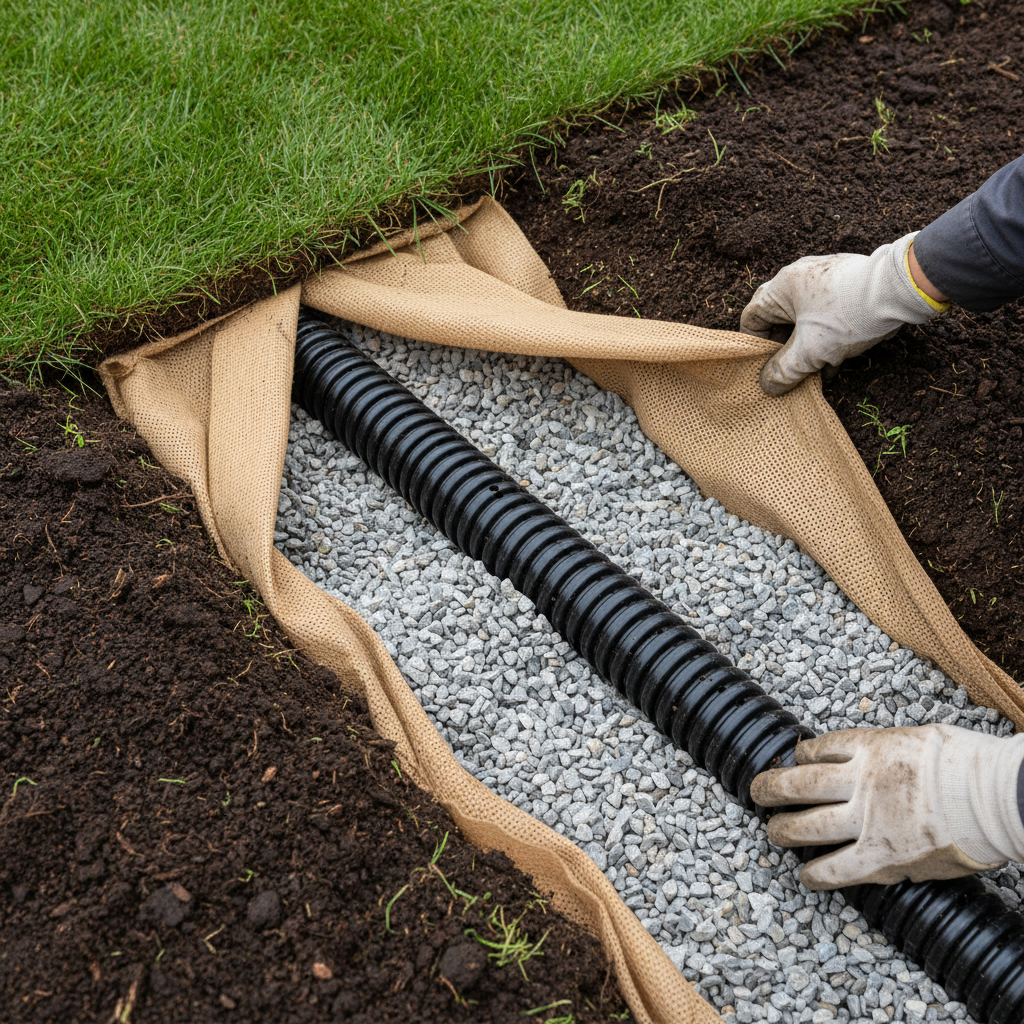
A French drain is a trench filled with gravel or rock, containing a perforated pipe that redirects surface and groundwater away from a specific area. It's a popular solution for managing water around foundations, basements, and yards.
How Does a French Drain Work?
The primary function of a French drain is to channel water away from your property. Water seeps into the trench through the gravel and enters the perforated pipe, which then directs it away to a designated drainage area. This system helps prevent water from pooling around your foundation, reducing the risk of water damage.
Types of French Drains
There are several types of French drains, each serving different purposes:
- Interior French Drains: Installed beneath the basement floor to prevent water from entering your home.
- Exterior French Drains: Installed around the perimeter of your house to keep groundwater away.
- Trench Drains: Used in driveways or paved areas to channel surface water.
Benefits of Installing a French Drain
Investing in a French drain system offers numerous benefits. It protects your home's foundation, prevents basement flooding, and reduces soil erosion. Additionally, it can improve the overall landscape of your yard by preventing waterlogging.
Steps to Install a French Drain
Installing a French drain requires careful planning and execution. Here’s a step-by-step guide:
- Identify the areas where water tends to accumulate.
- Plan the drainage route, ensuring it leads to a safe discharge area.
- Dig a trench, typically 6 inches wide and 18–24 inches deep.
- Line the trench with landscape fabric to prevent soil clogging.
- Place a layer of gravel, then add the perforated pipe.
- Cover the pipe with more gravel and fold the fabric over.
- Fill the trench with soil and sod as needed.
Maintenance Tips for French Drains
To ensure your French drain system functions properly, regular maintenance is key. Check for clogs by observing water flow during heavy rains. Clean out debris and inspect the pipe and gravel for any blockages. Annual inspections can help prolong the system's life.
When to Consult a Professional
While installing a French drain can be a DIY project, there are times when consulting a professional is advisable. If you encounter complex drainage issues or need to install a system around large structures, expert help can ensure the job is done correctly.
Protecting your home from water damage is crucial, and a French drain system is a reliable solution. Whether you choose to install it yourself or hire a professional, understanding the basics will help you make informed decisions and keep your property safe from water-related issues.