Expert Tips for Aeration and Composting: Achieve a Lush Lawn


Understanding Aeration
Achieving a lush lawn requires more than just regular watering and mowing. One of the key practices is proper aeration. Aeration involves perforating the soil with small holes to allow air, water, and nutrients to penetrate the grass roots. This process helps the roots grow deeply and produce a stronger, more vigorous lawn.
Aerating can be particularly beneficial if your lawn gets heavy use, leading to soil compaction. Compacted soil restricts root growth, which can result in a thin, patchy lawn. By aerating, you reduce compaction and enhance the lawn's overall health.

When to Aerate
The best time to aerate your lawn is during its peak growing season. For cool-season grasses, this is typically early spring or fall, while warm-season grasses benefit from aeration in late spring or early summer. Aerating at these times ensures the grass can recover quickly and fill in any open areas.
It's also essential to consider the soil type. If your lawn consists of clay soil, it may require more frequent aeration compared to sandy or loamy soils.
Composting for a Healthier Lawn
Incorporating compost into your lawn care routine is another effective way to achieve lush, green grass. Compost is rich in nutrients and improves soil structure, promoting healthier growth. It acts as a natural fertilizer, reducing the need for chemical alternatives.
How to Compost
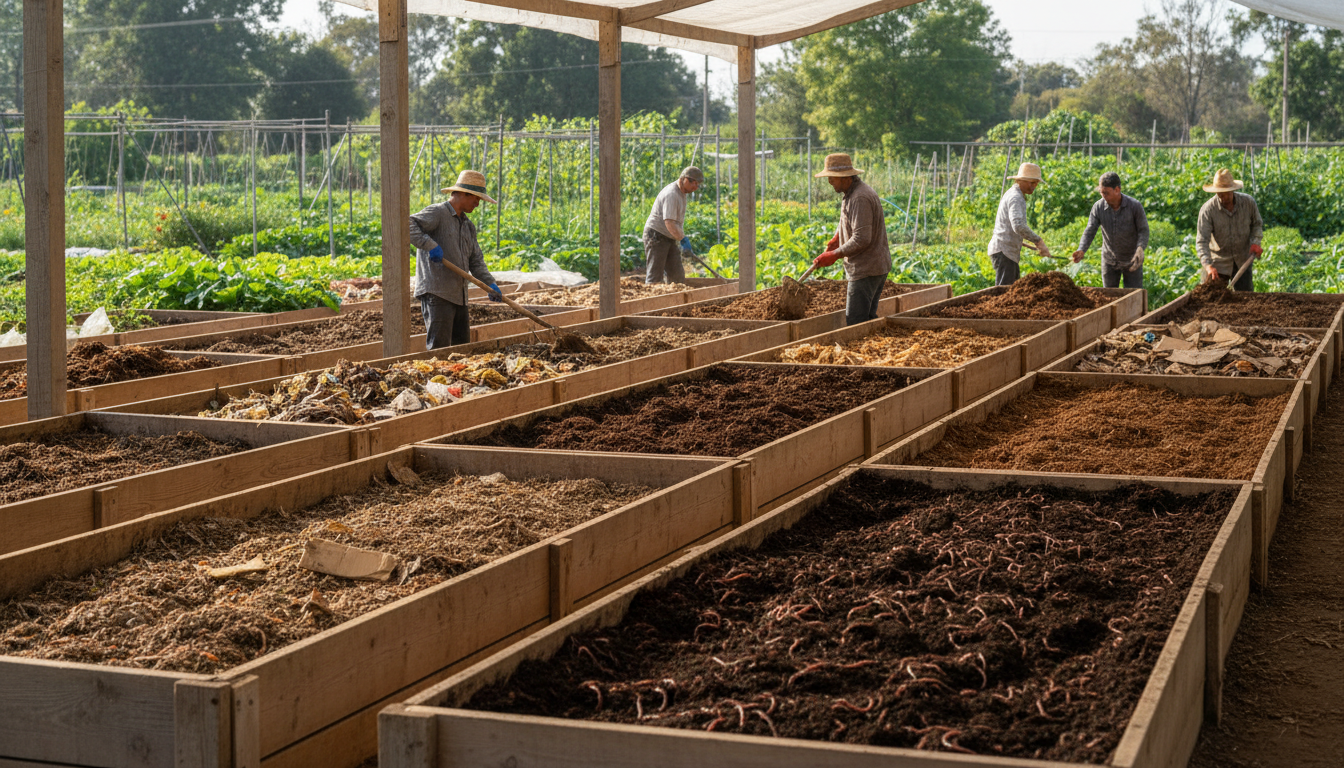
Creating your own compost is simple and cost-effective. Start by collecting organic waste such as fruit peels, vegetable scraps, grass clippings, and leaves. Layer these materials in a compost bin, ensuring a balance between green (nitrogen-rich) and brown (carbon-rich) materials.
Turn the compost pile regularly to aerate it and speed up the decomposition process. In a few months, you'll have nutrient-rich compost ready to spread on your lawn.
Benefits of Aeration and Composting
Combining aeration and composting can transform your lawn. Aeration allows the compost to integrate better with the soil, enhancing its effectiveness. This combination improves drainage, reduces thatch, and increases drought resistance.

Moreover, a well-aerated and composted lawn is less susceptible to pests and diseases, leading to less maintenance and a more environmentally friendly approach.
Expert Tips
- Test your soil: Before starting, test your soil's pH and nutrient levels to tailor your aeration and composting efforts.
- Use the right equipment: Depending on your lawn size, choose between a manual or mechanical aerator.
- Consistent care: Regular aeration and composting, along with proper watering and mowing, are key to maintaining a lush lawn.
By following these expert tips, you'll be well on your way to achieving the lawn of your dreams. Remember, patience and consistency are crucial in lawn care.