Expert Tips for Aeration and Composting in Florida's Climate


Understanding Aeration in Florida's Climate
Aeration is a crucial process for maintaining healthy soil and lush lawns, especially in Florida's unique climate. Due to the state's sandy soils and frequent rainfall, aeration helps improve water and nutrient absorption. By perforating the soil, you allow air, water, and nutrients to reach the roots more effectively.
In Florida, it's best to aerate during the growing season when the grass can heal and fill in the holes quickly. For warm-season grasses like St. Augustine or Bermuda, late spring or early summer is ideal.
Techniques for Effective Aeration
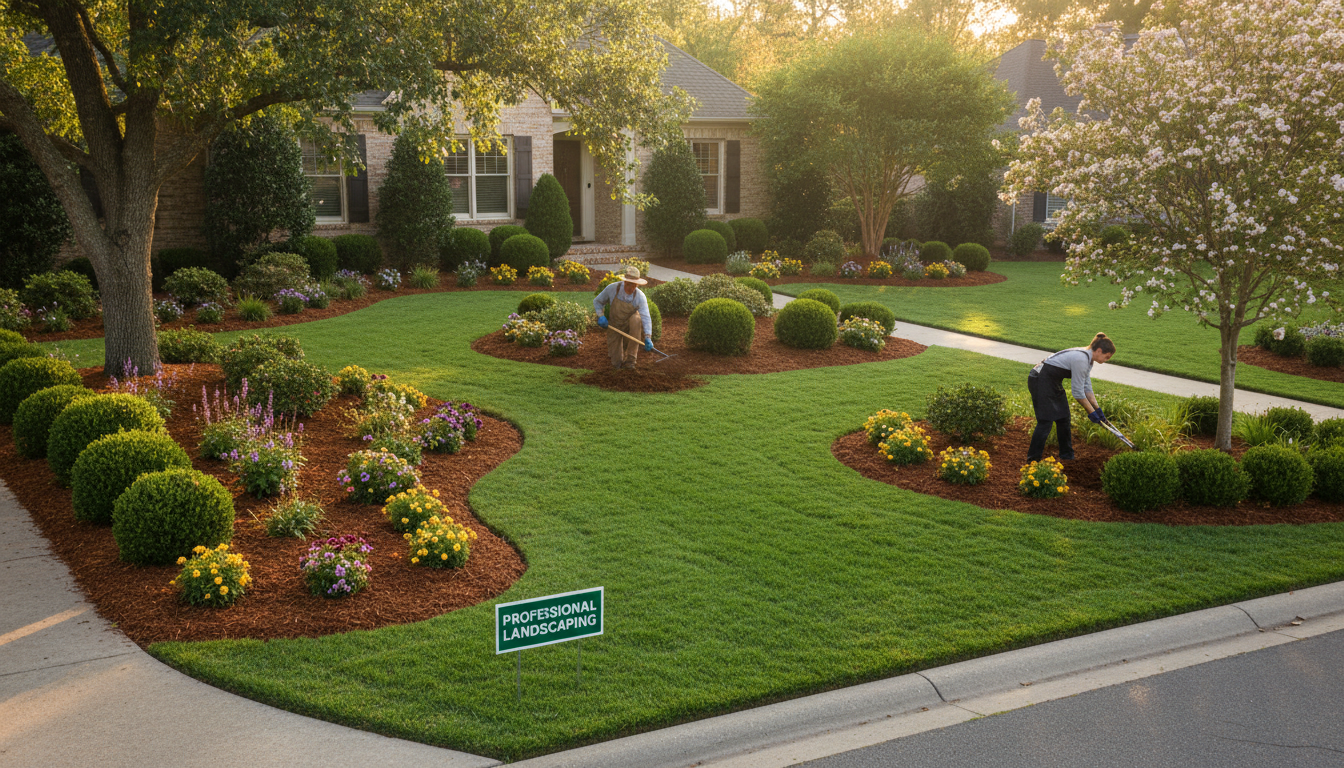
Choosing the right technique for aeration is crucial. Core aerators, which remove plugs of soil, are recommended for Florida's sandy soils. This method is more effective than spike aeration, which can compact soil further, especially in high-traffic areas.
Before aerating, ensure your lawn is moist but not overly wet. Water the area thoroughly a day before to make the process easier and more effective.
Benefits of Regular Aeration
Regular aeration offers numerous benefits, including improved root growth and reduced soil compaction. It also enhances the lawn's resilience to drought and heat—common challenges in Florida's climate.
Composting: A Sustainable Practice
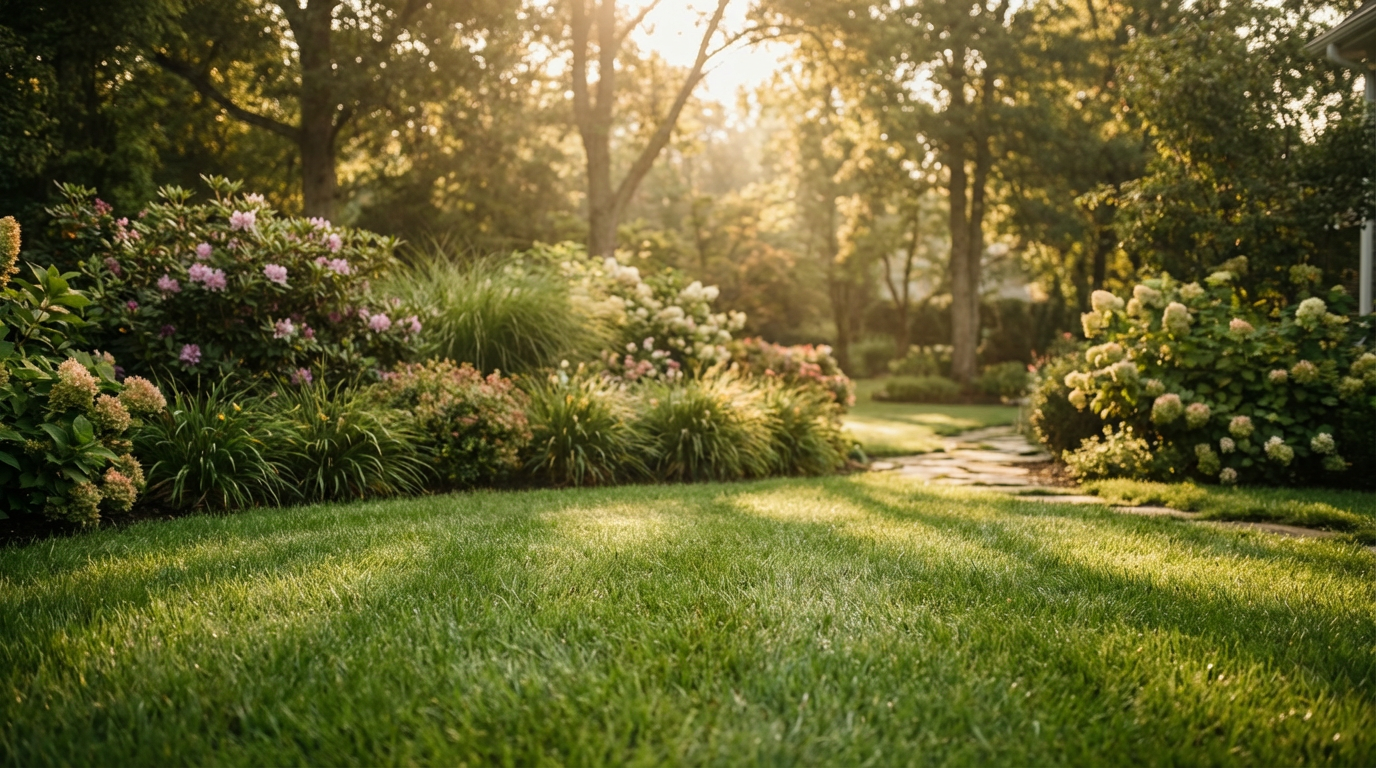
Composting is an excellent way to enrich your soil naturally. In Florida, you can take advantage of the warm climate to speed up the composting process. By recycling organic waste, you reduce landfill use and create a nutrient-rich amendment for your garden.
Start by collecting kitchen scraps, yard waste, and other organic materials. Layer them in a compost bin to allow for proper aeration and decomposition.
Best Materials for Composting
Effective composting requires a balance of green and brown materials. Greens include fruit and vegetable scraps, while browns consist of dried leaves and branches. This balance ensures a healthy decomposition process.
Tips for Maintaining a Compost Pile
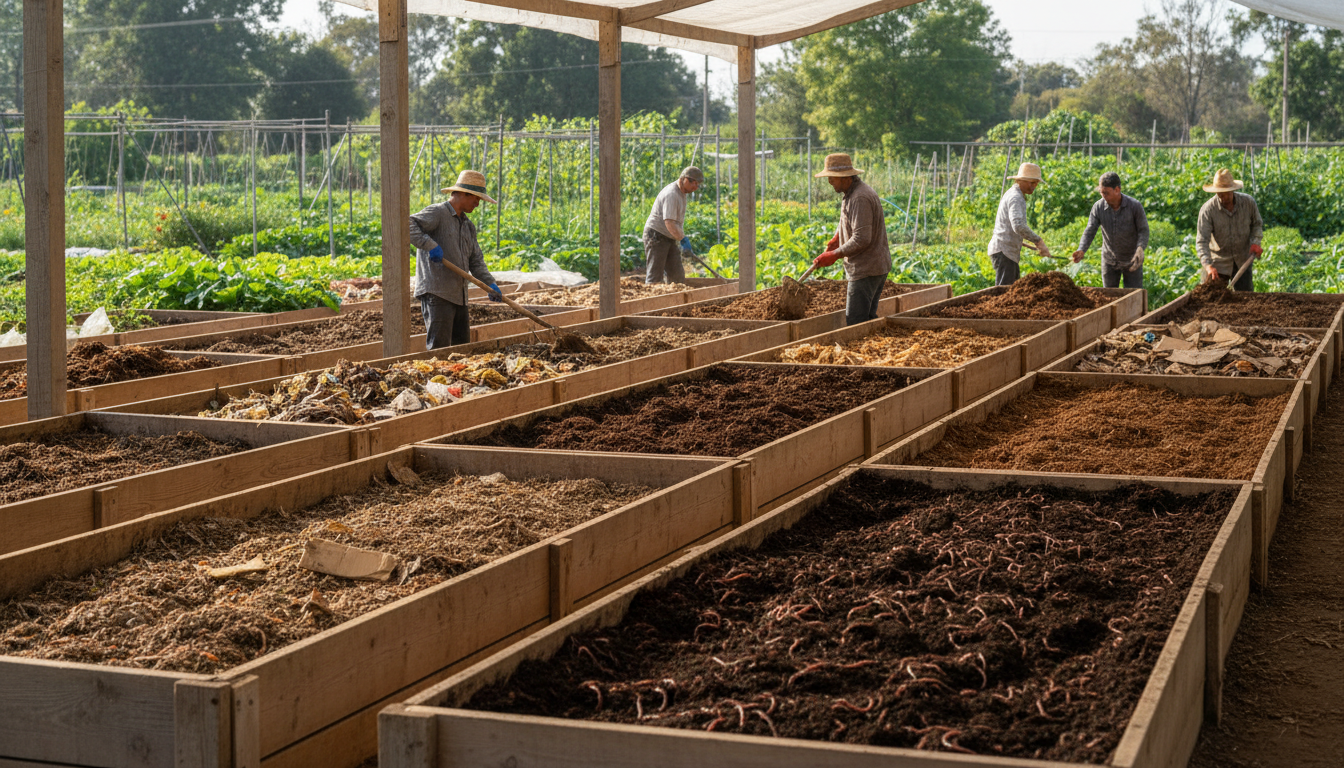
Maintaining a compost pile in Florida requires regular turning to introduce oxygen and speed up decomposition. Keep the pile moist but not waterlogged to support microbial activity.
Avoid adding meat, dairy, and oily foods, as they can attract pests and slow down the composting process.
Utilizing Compost in Your Garden
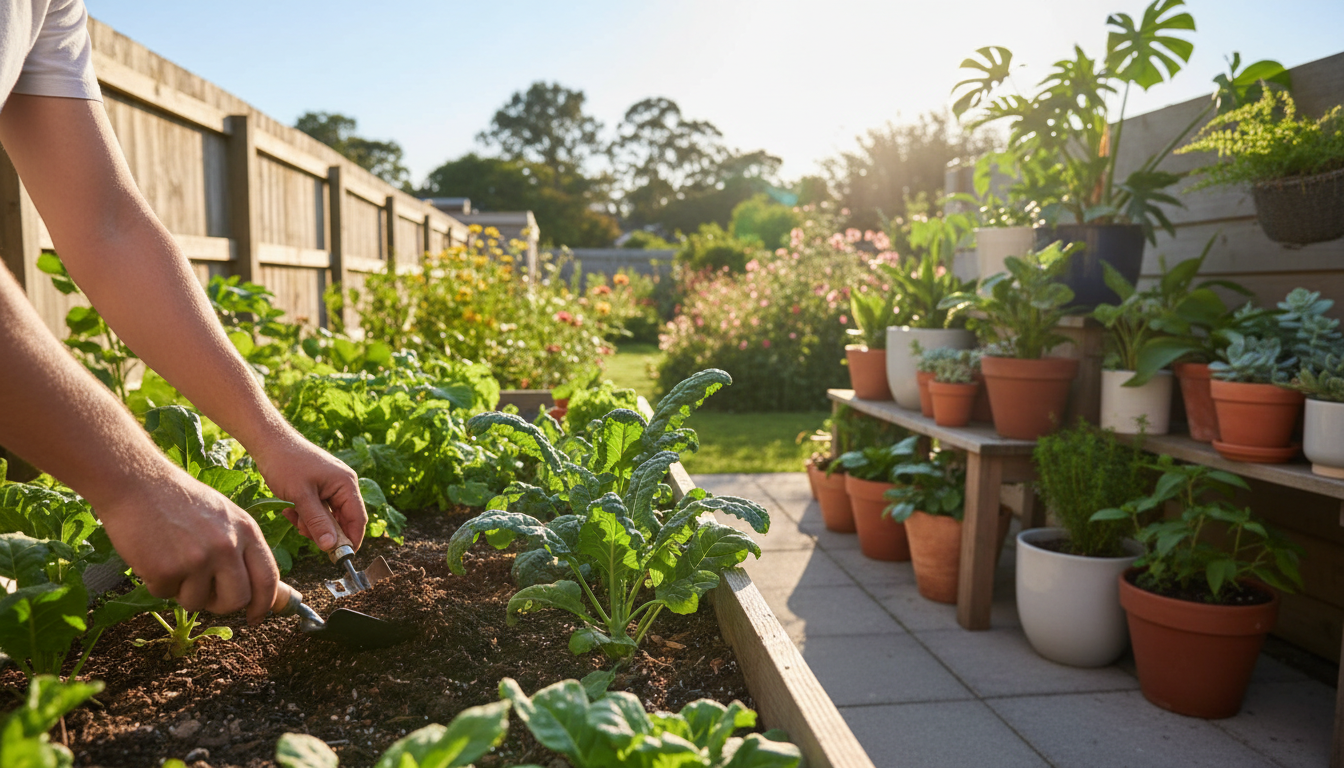
Once your compost is ready, it can be used to enrich garden beds and lawns. Spread a thin layer of compost over your lawn to improve soil structure and fertility. Mixing compost into garden beds enhances nutrient content and water retention.
By following these expert tips on aeration and composting, you can maintain a thriving garden and lawn in Florida's challenging climate. Embrace these sustainable practices to foster a healthier, more resilient landscape.