How to Maintain Your French Drain System: A Step-by-Step Guide


Understanding the Importance of French Drain Maintenance
French drains are an essential component in many drainage systems, effectively redirecting water away from foundations and preventing flooding. However, like any other part of your home, they require regular maintenance to function optimally. Neglecting this can lead to blockages, overflow, and even structural damage.
Regular Inspection of Your French Drain
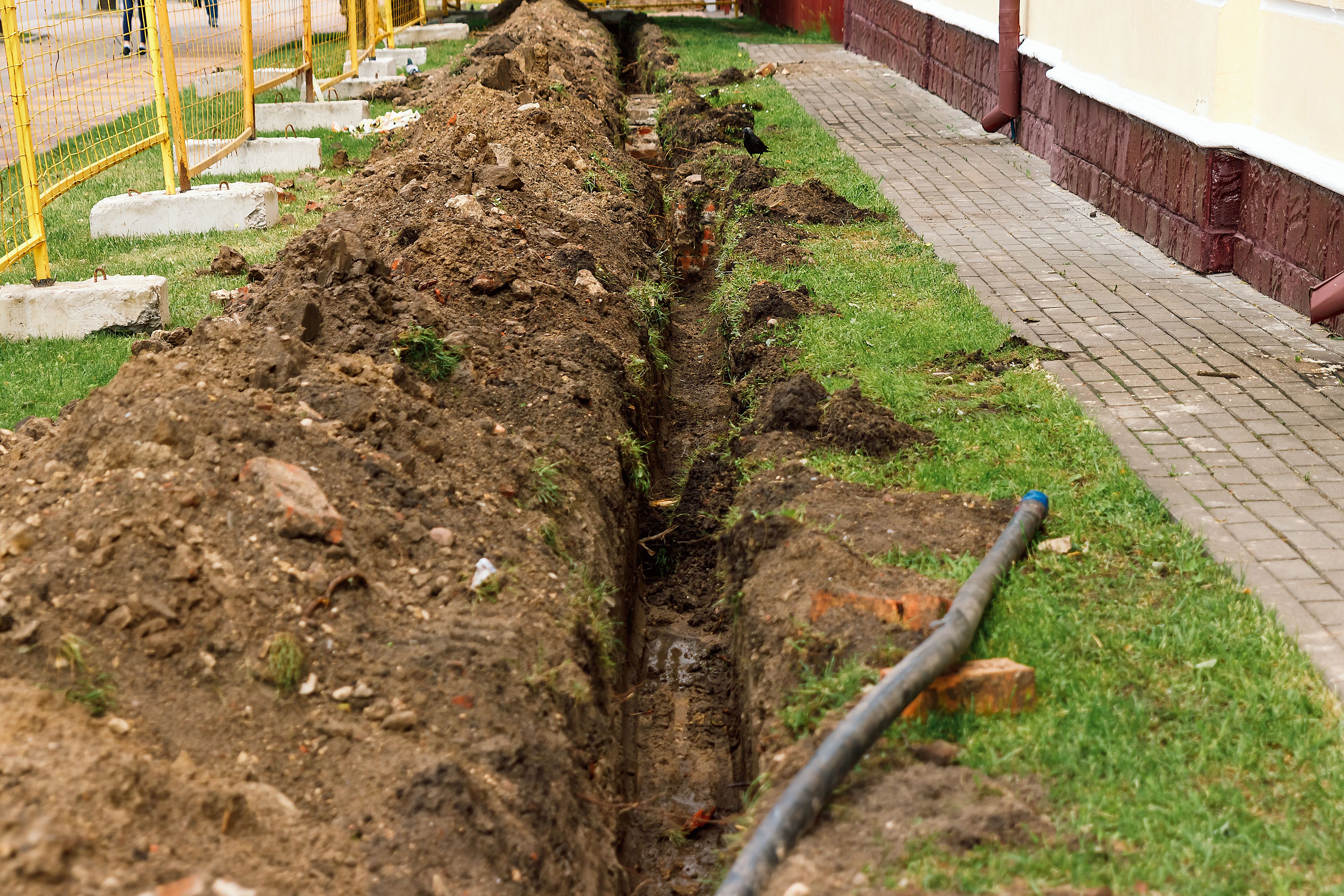
Begin by conducting routine inspections. Look for signs of clogging, such as water pooling around the drain area or slow drainage. Regular inspections can help identify potential issues early, preventing costly repairs down the line.
During inspections, check for any visible damage to the drain pipes or gravel cover. Ensure that the water is flowing freely and that there are no signs of erosion or sediment buildup.
Tools and Equipment Needed
To maintain your French drain, you'll need some basic tools and equipment. These include a shovel, a garden hose, a plumber's snake, and sometimes a pressure washer. Having the right tools on hand can make the maintenance process more efficient.
Cleaning the French Drain
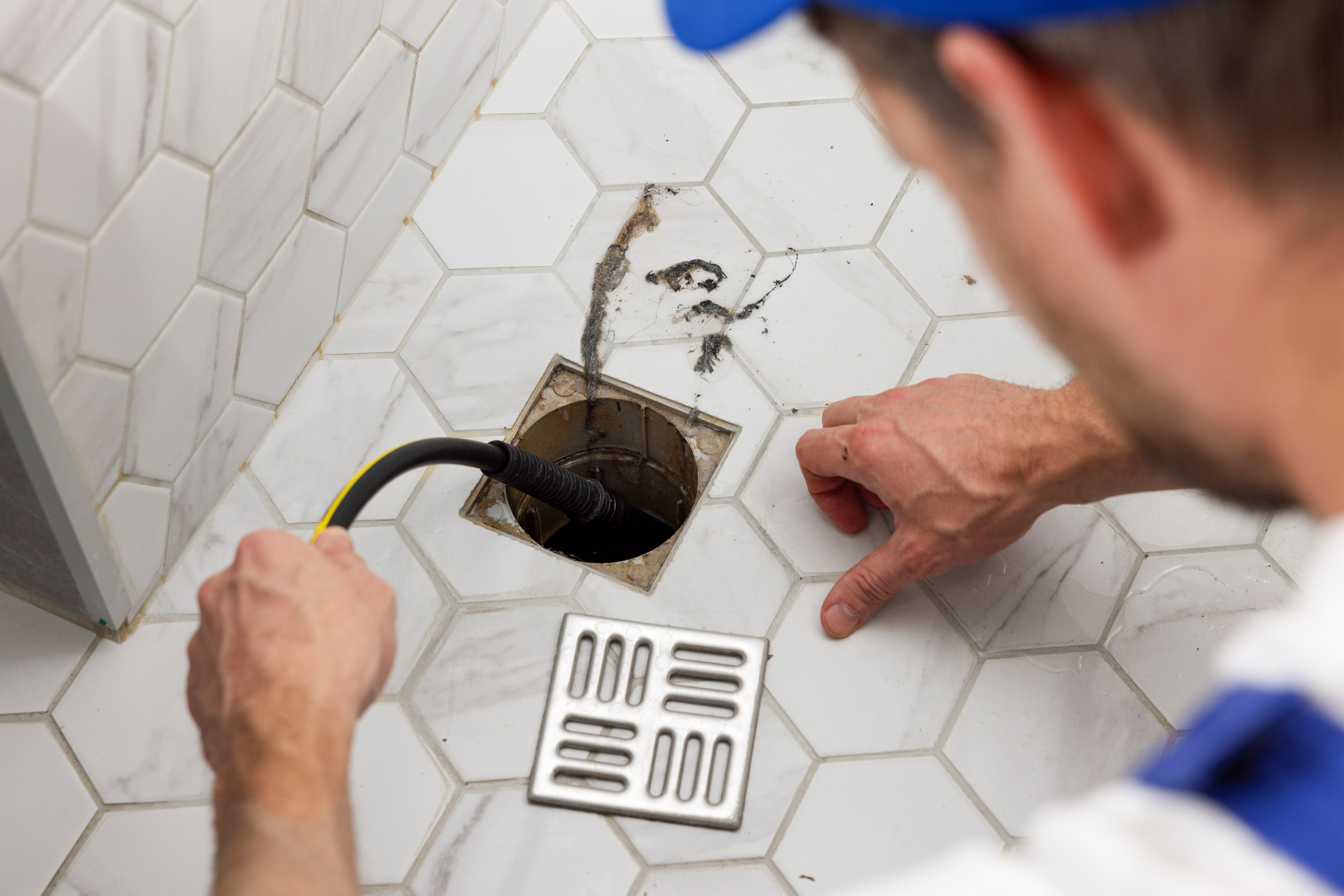
One of the most important maintenance tasks is cleaning the French drain. Start by removing any debris or vegetation covering the drain. This ensures that water can enter the system without obstruction.
Next, flush the drain with water from a garden hose. This helps to clear minor blockages and ensures the drain is functioning properly. For more stubborn clogs, use a plumber's snake or a pressure washer to dislodge any debris.
Dealing with Persistent Clogs
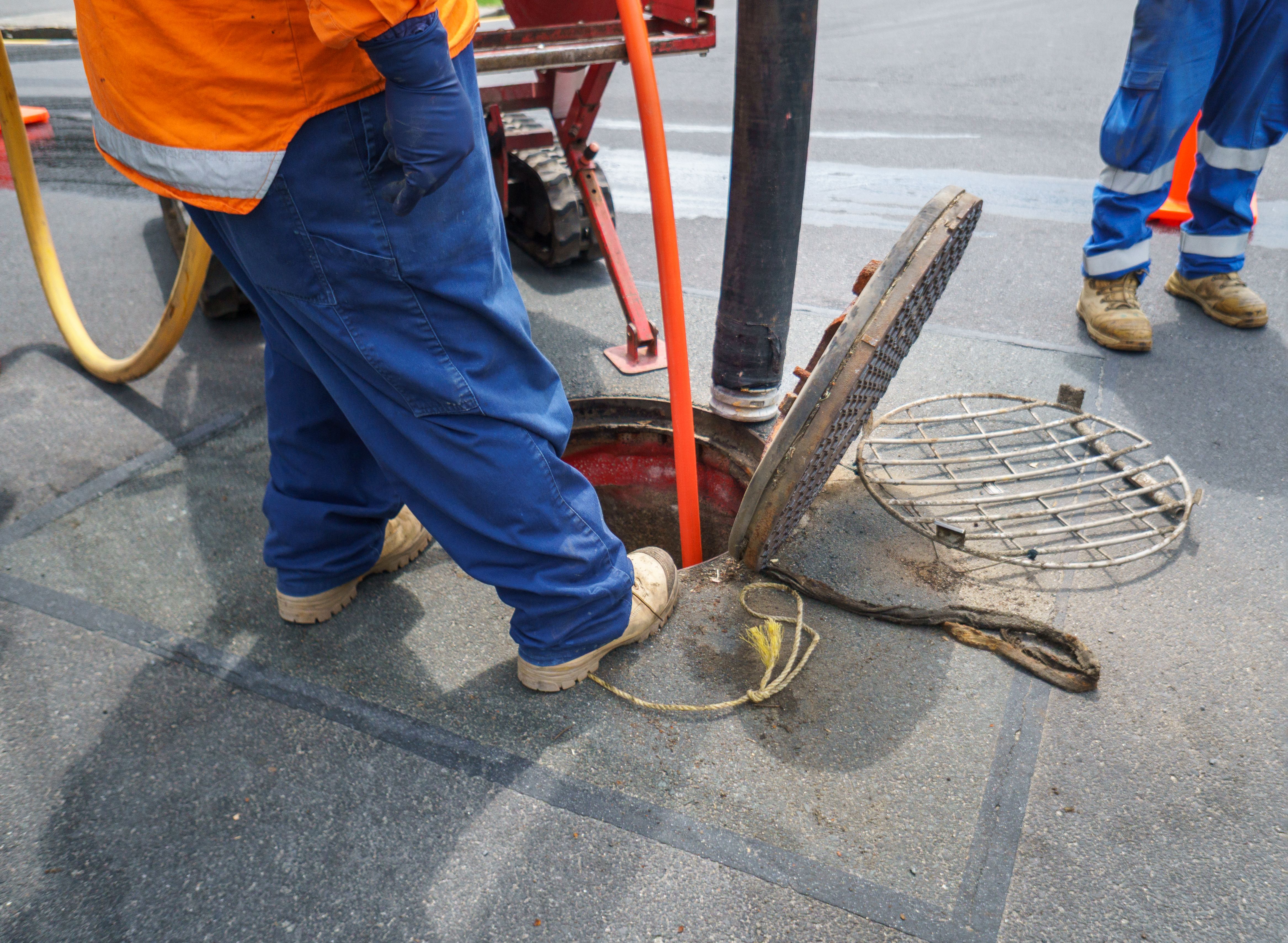
If your French drain continues to clog frequently, it may be necessary to inspect the piping system. In some cases, tree roots or significant sediment buildup may require professional attention. Regular maintenance can prevent these issues, but persistent problems should not be ignored.
Monitoring the Surrounding Area
Regularly check the area surrounding your French drain for any changes in soil or landscaping. Erosion, settlement, or new plant growth can affect the function of your drainage system. Adjustments to the surrounding landscape may be necessary to maintain proper drainage.
Ensure that downspouts and gutters are directing water away from the drain. This helps prevent overwhelming the system during heavy rainfalls.
When to Call a Professional
While many maintenance tasks can be done by homeowners, there are times when professional help is needed. If you notice persistent problems, such as frequent clogs or structural damage, it’s best to consult with a drainage specialist. They can provide a comprehensive assessment and recommend appropriate solutions.
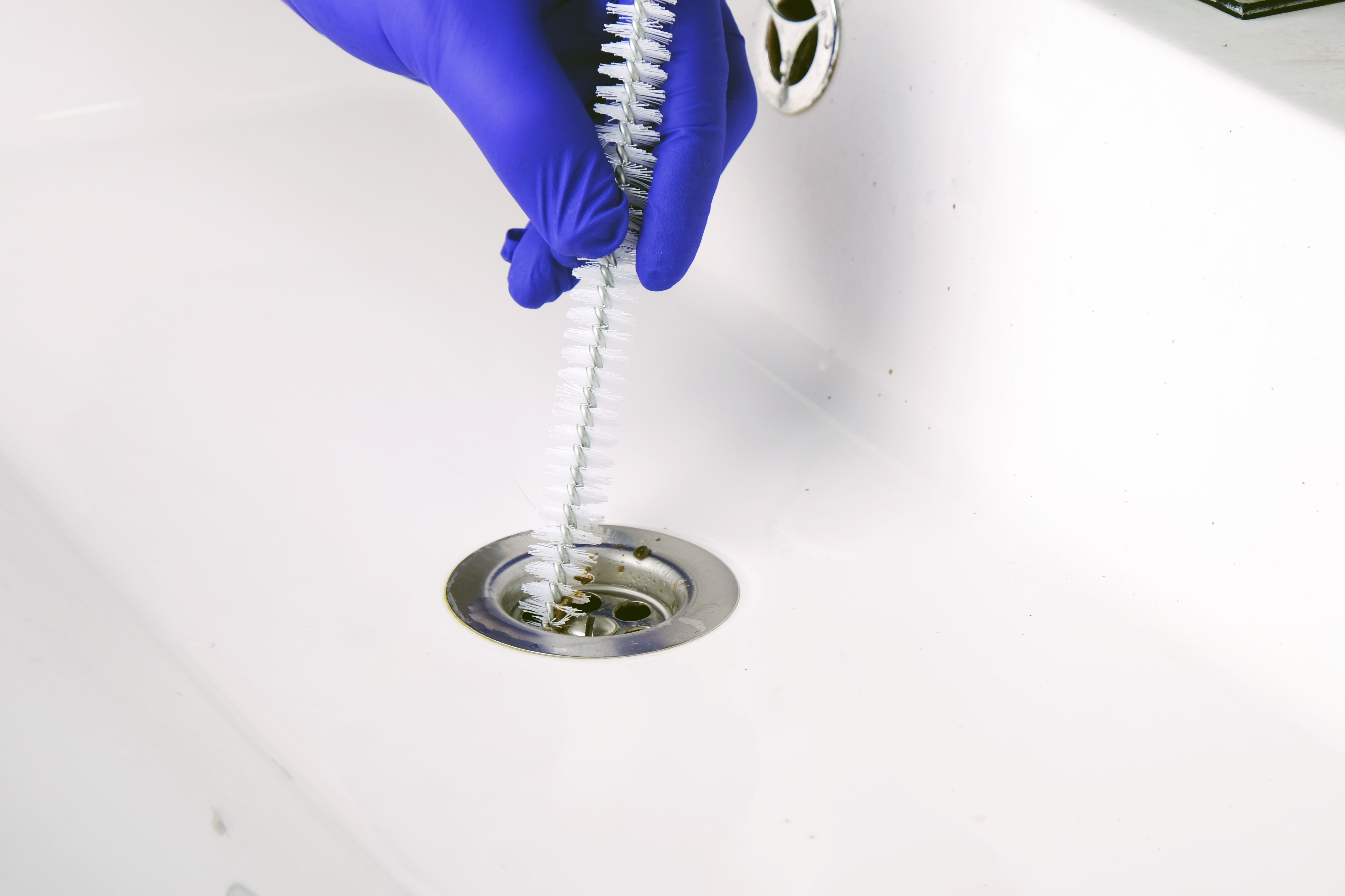
By following these maintenance steps, your French drain system will continue to protect your home effectively. Regular care and attention ensure longevity and efficiency, saving you from costly repairs and potential water damage in the future.